
As Devon Energy and Expand Energy relocate their headquarters to Houston in 2026—following broader trends of executive consolidation in the “Energy Capital”—Continental Resources stands out as a steadfast Oklahoma City anchor.
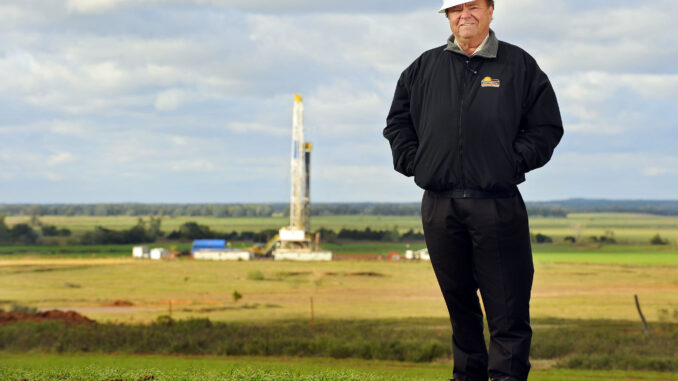
Founded by billionaire Harold Hamm in 1967 and now privately held by the Hamm family since its 2022-2024 privatization, the company has reaffirmed its commitment to remaining headquartered in OKC.
In direct response to the recent moves by rivals, Hamm emphasized that Continental will stay put, preserving its deep ties to the state that birthed its success in pioneering shale plays like the Bakken and SCOOP/STACK.
This decision isn’t just symbolic. Continental’s strategy centers on disciplined, long-term value creation through high-quality unconventional resources, operational excellence, and selective geographic expansion—without chasing the Houston ecosystem for executive functions. President and CEO Doug Lawler has described the approach as a “long-term view of resource development, regardless of geography,” focusing on applying proven shale techniques to world-class basins while maintaining efficiency and low costs.

Core Pillars of Continental’s Current Strategy
- Focus on Premier U.S. Basins with Operational Leadership Continental remains a top-tier independent producer in the Lower 48, emphasizing efficiency in key plays: the Bakken (North Dakota/Montana), SCOOP/STACK (Oklahoma), and Delaware Basin (Texas). The company prides itself on being among the most cost-effective operators globally, leveraging technical innovation in horizontal drilling, hydraulic fracturing, and enhanced recovery to sustain production. Oklahoma continues as a major hub, with assets in the Anadarko Basin (including recent deals like selling a 49% non-operated interest to TotalEnergies in 2025 to integrate into global gas value chains).
- Capital Discipline in a Low-Price Environment With oil prices pressuring margins (WTI hovering in ranges that make new drilling uneconomic in some areas), Continental has adopted a cautious stance. In early 2026, the company paused new drilling in the Bakken—the first time in 30 years without an active rig in North Dakota—while continuing to produce from existing wells (which still account for a significant share of state output). Hamm noted that “there’s no need to drill when margins are basically gone,” signaling a focus on preserving cash flow, reevaluating economics quarterly, and avoiding over-spending amid bearish market forecasts into 2027. This discipline extends to monitoring gas price upside (with contracts trading higher for 2025-2026) and potential pivots to gas-rich acreage if conditions improve.
- Strategic International Expansion: Building in Vaca Muerta A key growth vector is Argentina’s Vaca Muerta shale play, one of the world’s most promising unconventional resources. In late 2025 and early 2026, Continental pursued a balanced entry: acquiring operated interests in blocks like Los Toldos II Oeste (November 2025) and non-operated stakes in four additional blocks via an agreement with Pan American Energy (January 2026). These moves align with the company’s “long-term value strategy” of participating in elite global resources, accelerating learning curves, and applying U.S. shale expertise abroad. Lawler highlighted Vaca Muerta’s fit with Continental’s strengths in innovation and development, positioning it for sustained, high-return growth outside North America.
- Commitment to Oklahoma and Long-Term U.S. Presence Unlike peers shifting strategic functions southward, Continental views its OKC headquarters as integral to its identity and operations. The company maintains field offices across basins but keeps corporate leadership rooted locally, supporting community involvement, philanthropy, and workforce stability. This contrasts with Houston’s advantages in global trading and partnerships but leverages Oklahoma’s strengths: low operating costs, geological expertise, and proximity to prolific production areas. Hamm’s public affirmations underscore confidence that Oklahoma can thrive as an operational powerhouse even as executive hubs concentrate elsewhere.
Broader Context and Outlook
Continental’s approach reflects a shale pioneer’s maturity: prioritize returns over growth-at-all-costs, adapt swiftly to commodity cycles (e.g., halting rigs when needed), and diversify thoughtfully into international plays like Vaca Muerta for future upside. While short-term drilling pauses address thin margins, the strategy bets on eventual recovery in oil/gas demand, U.S. energy security, and the company’s ability to outperform through technology and discipline.
In a year when Oklahoma lost two major HQ announcements, Continental’s stance offers reassurance: The state retains a major player committed to its legacy. As Hamm and Lawler frame it, the future remains “bright” for disciplined operators in premium resources—here and abroad. If market conditions shift (e.g., higher prices or new export dynamics), expect Continental to ramp up accordingly while staying true to its roots.
Jason Spiess is an multi-award-winning journalist, entrepreneur, producer and content consultant. Spiess, who began working in the media at age 10, has over 40 years of media experience in broadcasting, journalism, reporting and principal ownership in media companies.

