
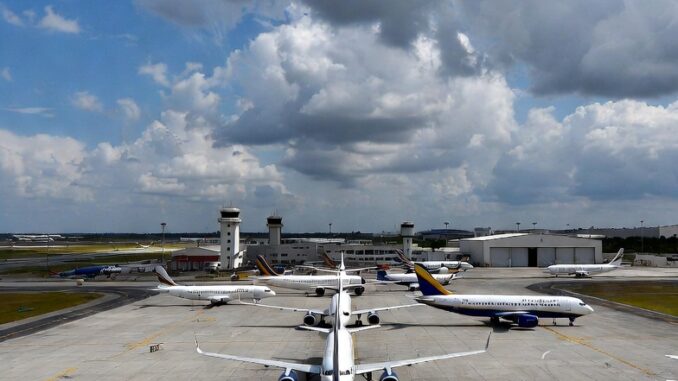
Cuba’s Jet A-1 aviation fuel shortage, first announced on February 8, 2026, has stretched into a near-continuous nine-to-ten-month crisis with no end date. Successive NOTAMs from the Empresa Cubana de Navegación Aérea have repeatedly extended the unavailability of Jet A-1 at the island’s main international airports. The latest series (issued October 30) keeps the restriction in force until 04:00 UTC on December 1, 2026 (11 p.m. local time on November 30). Ten airports are now affected: José Martí (Havana), Varadero, Cienfuegos, Santa Clara, Camagüey, Cayo Coco, Holguín, Santiago de Cuba, Manzanillo, and Cayo Largo del Sur (the last added in September).
The airports remain open and flights can still operate, but airlines cannot refuel on the island. Operators must tanker extra fuel for round trips, schedule technical stops in third countries (examples include Punta Cana for Air Europa’s Madrid–Havana service and Nassau for some longer-haul flights), or suspend routes. The original short-term measure projected only until mid-March has become a rolling monthly extension with no announced restoration of supply.
Background and drivers
The crisis is rooted in Cuba’s broader energy emergency. In late January 2026 the Trump administration intensified pressure, including an executive order treating Cuba as a national-security threat and measures that sharply reduced oil flows from traditional suppliers. Venezuelan shipments collapsed after the January 3 operation that removed Nicolás Maduro; Mexican deliveries were paused under tariff threats. Russia provided limited relief (notably a ~100,000-ton crude cargo in the spring that offered temporary help for power generation), and some U.S. private traders later sold limited volumes under a loophole restricted to private Cuban buyers. These inflows have not restored reliable Jet A-1 stocks or ended nationwide blackouts, fuel rationing, and shortened workweeks.
Cuban officials continue to blame the U.S. “energy blockade.” Foreign Minister Bruno Rodríguez and other officials have repeatedly condemned the measures as coercion. Russia has described the situation as critical and pledged further support, though consistent large-scale deliveries have not materialized.
Impacts on aviation and tourism
More than a dozen international carriers have suspended or sharply reduced Cuba service during 2026. At least 11 airlines (including Air Canada, WestJet, Air Transat, Air France, Iberia, Turkish Airlines, Rossiya, and Nordwind) cut or ended routes; more than 1,700 flights were canceled. Iberia extended its Madrid–Havana suspension into mid-2027. U.S. carriers such as American and Delta largely continued shorter regional flights by tankering fuel, while European and Canadian operators faced higher costs and capacity penalties. Venezuelan state airline Conviasa briefly suspended then resumed limited Caracas–Havana service in mid-November despite the ongoing fuel ban.
Tourism, a critical hard-currency source, has been hit hard. Official figures show only about 478,000 visitors in the first nine months of 2026—roughly 35% of the comparable 2025 volume. Resorts have struggled with generator fuel shortages affecting power, water, food service, and air conditioning. Peak-season arrivals that once underpinned the economy have collapsed.
Broader energy picture and outlook
Domestic electricity generation remains under severe pressure, with rolling blackouts common and diesel/fuel-oil stocks repeatedly described as critically low or exhausted. Cuba continues to seek alternative suppliers and has allowed private entities greater latitude to import fuel where possible. Diplomatic outreach to Mexico, Russia, and others continues, but U.S. monitoring of tanker traffic and tariff threats have constrained volumes.
As of late November 2026 the December 1 NOTAM expiration is only a formal deadline, not a guaranteed resumption date; earlier monthly extensions were simply renewed. Airlines still operating face elevated costs (tankering or technical stops raise fuel burn, reduce payload, and increase emissions). Tourism recovery is unlikely until reliable Jet A-1 and general fuel supplies return. Stakeholders continue to watch for any large-scale Russian or other shipments, shifts in U.S. policy, or Mexican humanitarian arrangements that could ease the shortage. For now the aviation fuel blackout remains one of the most visible and prolonged symptoms of Cuba’s deepening energy crisis.

The Crude Life Content Network
Primary Website
Follow on YouTube
Follow on Facebook
- The Crude Life Facebook Page
- Eagle Ford Texas Facebook Page
- Bakken.com Facebook Page
- Haynesville Facebook Page
- Marcellus Facebook Page
- Niobrarachalk Facebook Page
- PermianShale Facebook Page
Follow on LinkedIn
- The Crude Life LinkedIn
- The Founder of The Crude Life – Jason Spiess LinkedIn
The Crude Life has been a trusted brand pioneering energy content for 15 years — from the very first podcast in 2011 to today’s full-spectrum content company producing podcasts, video interviews, print features, radio news, social media campaigns, Substack editorials, live events and more.
Trusted Interviews. Industry Experts.


