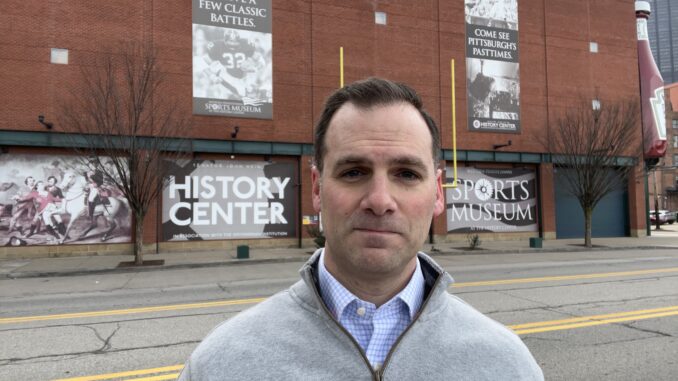

Joe Sinnott, executive coach at Witting Partners and host of The Energy Detox Podcast joined The Crude Life founder Jason Spiess to discuss some executive audits and strategies. What began as light-hearted Monday-morning banter about “audit season stubble” quickly evolved into a deep dive on leadership, talent management, communication breakdowns, and staying conscious in the age of AI.
Audit Season Is Year-Round
Spiess noted how April 15 forces individuals and small businesses to pause and review finances, performance, and priorities—something most people avoid the other 364 days. Sinnott agreed, stressing that the real power of any audit (financial, talent, or personal) is the forced pause.
Sinnott agreed that everyone is busy this time of year, but the question that rises is – Why wait for a calendar date?
Leaders in oil and gas are rarely wired to hit the brakes unless something external forces them. Sinnott’s coaching philosophy centers on helping executives create that pause regularly so they can evaluate what’s working, what isn’t, and what they would never bring in if starting fresh today.”
Drawing parallels to the NFL draft (which was days away in Pittsburgh), the pair discussed cutting high-priced talent that no longer fits. Sinnott named the classic trap: sunk-cost economics.
Just because you’ve already committed $60 million (or years of salary and training) doesn’t mean you should keep an underperformer.
He coaches leaders to ask a simple question: “If this person walked out the door tomorrow, how would that feel?” Nine times out of ten, the honest answer is relief. The challenge is moving past guilt or optics to act on that clarity.

Communication: “I Think” vs. “I Feel”
Spiess shared a sharp observation from his media and consulting days: strategy meetings used to start with accountable language (“I think this should be the plan…”). However, over the last 10–15 years, “I feel” has taken over. The shift changes everything—if you challenge the idea, you’re now attacking feelings, not strategy.
Sinnott added that many leaders fail to share what they’re actually thinking or suspecting, creating ambiguity that wastes energy. He encourages leaders to speak with clarity and invite dissent: “Tell me where I’m wrong.”
He also highlighted the power of holding silence after asking a question—something counterintuitive for fast-paced executives who hate “dead air.”
AI, Conscious Leadership, and the “Chameleon Employee”
Both men see AI as a powerful tool—but one that can mask lack of original thinking. Spiess warned of employees who half-listen in meetings, feed notes into AI, then coast on social media.
Sinnott’s framework is Conscious Leadership in the Age of AI. His core question for professionals:
“What do you do differently from everyone else? What are you the only person capable of doing at this level?”
If you can’t articulate and act on your unique value, you risk becoming replaceable. Sinnott uses AI himself but insists it must support—not replace—clear human thinking.
Mental Health Awareness Month: The “Wellness Workover”
Spiess proposed a May series focused on corporate mental health and wellness. Sinnott already had the branding ready: Wellness Workover—an oil-and-gas metaphor for shutting in a well, investing time and resources, then bringing it back stronger and more predictable.
The idea resonated: just as a well needs maintenance, leaders and teams need intentional resets. Sinnott and Spiess plan to package practical tools for personal, leadership, and organizational wellness—something they see as especially relevant in an industry facing identity questions (oil company? energy company? carbon management company?).

NFL Draft Analogies for the Energy Sector
The conversation kept circling back to football for memorable lessons:
- Talent pipeline – Companies must track skilled labor and future leaders 10 years out or risk having no business.
- Rookie Detox – New energy is exciting until it pulls the organization off its core identity.
- Team Needs vs. Best Player Available – Sometimes you draft the generational talent even if the roster doesn’t have an immediate spot, because the second- and third-order cultural benefits are huge.
Sinnott emphasized that the intangibles (culture, energy, leadership presence) often deliver more value than the obvious metrics.
Sinnott closed with a challenge for every listener:
“Am I acting consciously, or am I just going through the motions—plugging numbers into AI and running with the output without pausing?”
In an industry that rewards speed and decisiveness, the highest performers are the ones who still make time to think clearly, communicate openly, and invest in their own “wellness workover.”
To contact Sinnott, visit Witting Partners website or connect on LinkedIn
The Crude Life Content Network
Primary Website
Follow on YouTube
Follow on Facebook
- The Crude Life Facebook Page
- Eagle Ford Texas Facebook Page
- Bakken.com Facebook Page
- Haynesville Facebook Page
- Marcellus Facebook Page
- Niobrarachalk Facebook Page
- PermianShale Facebook Page
Follow on LinkedIn
- The Crude Life LinkedIn
- The Founder of The Crude Life – Jason Spiess LinkedIn
The Crude Life has been a trusted brand pioneering energy content for 15 years — from the very first podcast in 2011 to today’s full-spectrum content company producing podcasts, video interviews, print features, radio news, social media campaigns, Substack editorials, live events and more.
Trusted Interviews. Industry Experts.


