
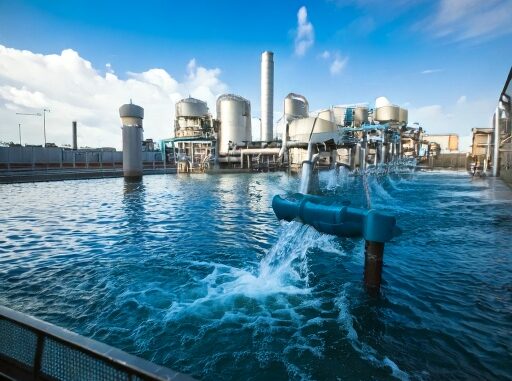
The oil and gas industry has long been criticized for its environmental footprint, particularly when it comes to water use. From hydraulic fracturing to enhanced oil recovery, the industry consumes billions of gallons of water annually—often in arid regions where every drop counts.
However, in recent years, a quiet revolution has been taking place beneath the surface: a growing investment in water recycling technologies and regenerative practices that signal a paradigm shift in how the industry views sustainability.
From Linear to Circular: The Evolution of Water Use
Historically, water use in oil and gas followed a linear model—freshwater was withdrawn, used in operations, and often disposed of via injection wells or surface discharge. This process not only depleted freshwater resources but also risked contamination of aquifers and surface water.

Today, however, the industry is rapidly adopting a circular approach. Companies are now recycling and reusing produced water—the briny, contaminated water that comes back up during oil and gas extraction—instead of relying solely on fresh sources. This closed-loop system minimizes environmental impact and reduces operational costs over time.
Investments Driving the Change
1. Chevron and Aquatech’s Modular Solutions
Chevron, one of the world’s oil giants, has partnered with Aquatech International to deploy modular water treatment units in the Permian Basin. These units allow operators to treat produced water on-site, removing hydrocarbons, salts, and heavy metals, making the water usable for subsequent fracs. Chevron reports recycling over 90% of its produced water in the Permian, saving millions of barrels of freshwater annually.
2. Pioneer Natural Resources: Full-Cycle Strategy
Pioneer Natural Resources stands as a pioneer—literally—in water stewardship. In 2023, it invested over $1 billion in a large-scale water infrastructure system in West Texas, including over 500 miles of pipeline and multiple water recycling facilities. The company now reuses more than 95% of its produced water, avoiding the need for over 20 billion gallons of fresh water each year.
3. Liberty Energy and the Mobile Water Hub
Liberty Energy developed a mobile water recycling solution capable of being deployed at different frac sites. This flexibility helps mid-sized producers scale their recycling efforts without major infrastructure investments. By integrating sensors and real-time data analytics, the mobile units optimize chemical usage and filtration rates, reducing both cost and environmental impact.


Technologies Powering Regeneration
Several key technologies have enabled this transformation:
- Electrocoagulation: This process uses electric currents to remove contaminants, including suspended solids and dissolved metals, from produced water.
- Membrane Filtration: Advances in nanofiltration and reverse osmosis have made it possible to treat even the saltiest water to near-potable quality.
- Biological Treatment: Engineered microbes and biofilms are now used to digest organic matter and break down hydrocarbons naturally.
- Smart Automation: AI and machine learning monitor water chemistry in real-time, allowing operators to dynamically adjust treatment protocols and predict maintenance needs.
Regulatory Support and Market Incentives
The shift toward water recycling isn’t purely altruistic. Increasingly stringent regulations—especially in water-scarce states like Texas and New Mexico—are pushing companies to reduce freshwater withdrawals. Simultaneously, market incentives such as tax credits, ESG investment pressure, and investor demands for transparency are motivating innovation.
In Texas, for example, the Railroad Commission has streamlined permitting for water reuse and recycling facilities, while New Mexico now requires detailed reporting on water use and encourages alternatives to freshwater sourcing.

Environmental and Operational Gains
The benefits of this transition are manifold:
- Reduced Freshwater Demand: Companies using recycled water can significantly decrease reliance on rivers, aquifers, and municipal supplies.
- Lower Disposal Volumes: By reusing water instead of injecting it deep underground, companies reduce the risk of induced seismicity and minimize brine truck traffic.
- Cost Efficiency: While initial investments in water recycling infrastructure can be high, long-term savings from reduced water purchasing and disposal are substantial.
- Public Trust and ESG Ratings: Water stewardship efforts improve a company’s standing with regulators, investors, and the communities where they operate.
Challenges and Limitations
Despite the progress, hurdles remain:
- Water Quality Variability: Produced water quality can vary dramatically across regions and wells, requiring tailored treatment solutions.
- Scaling Infrastructure: Building permanent infrastructure in remote areas can be capital-intensive and time-consuming.
- Regulatory Inconsistency: A patchwork of state and federal regulations can complicate planning and implementation for multi-state operators.
Still, the industry continues to innovate, recognizing that environmental responsibility is increasingly tied to long-term profitability.

Looking Ahead: Toward Regenerative Operations
Water recycling is just one piece of a broader regenerative approach emerging in the oil and gas sector. Companies are beginning to integrate these efforts with:
- Carbon Capture and Storage (CCS)
- Soil remediation and land reclamation
- Renewable-powered drilling rigs
- Closed-loop systems for drilling fluids and sand
This convergence of technologies and values suggests a more symbiotic relationship with nature, where waste from one process becomes a resource for another.
Conclusion: A Blueprint for Industrial Transformation
The oil and gas industry’s embrace of water recycling marks a critical turning point. What was once seen as an environmental liability is now becoming a strategic asset. Through smart investments, regulatory evolution, and technological innovation, the sector is proving that even the most resource-intensive industries can shift toward circular, regenerative models.
The path ahead is not without obstacles, but as more companies witness the operational, financial, and reputational gains of water stewardship, this movement will continue to ripple across the energy sector—proving that even in the driest basins, transformation is possible.

As Earth Month and Citizen Science Month remind us of our collective responsibility to protect the environment, the oil and gas industry’s evolving role in sustainability is worth recognizing.
While challenges remain, the sector’s contributions to reclamation, technological innovation, and citizen science initiatives demonstrate its commitment to reducing environmental impact and enhancing ecological resilience.
Through continued collaboration between industry leaders, scientists, and citizen volunteers, we can work toward a future where energy production coexists with a healthier planet.
April serves as a crucial reminder that everyone, including major industries, has a role to play in environmental stewardship and cultivating tomorrow’s STEM leaders today.

Article by Jason Spiess. Spiess has over 35 years of media experience from being the host to the publisher to an editor to the executive producer to having principal ownership in several media companies.
Spiess is currently the host of several newsmagazine radio podcasts that carry a 20-plus radio network, as well as worldwide through iHeart, Spotify and other podcast platforms. Spiess also operates a diverse professional social media audience with his media brands of over a combined 400K followers.
In addition to his newsmagazine radio podcasts, Spiess is a regular contributor to many industry publications and traditional news websites.
Spiess is a full-time father, cancer survivor, small regenerative/permaculture farmer, environmental steward, educator, speaker, author and graduate of North Dakota State University. Spiess also operates an off-the-grid office integrating sustainable solutions, including the best practices with an Industrial Forest and Digital Diversity.
Everyday your story is being told by someone. Who is telling your story? Who are you telling your story to?
Email your sustainable story ideas, professional press releases or petro-powered podcast submissions to thecontentcreationstudios(AT)gmail(DOT)com.
#thecrudelife promotes a culture of inclusion and respect through interviews, content creation, live events and partnerships that educate, enrich, and empower people to create a positive social environment for all, regardless of age, race, religion, sexual orientation, or physical or intellectual ability.
CLICK HERE FOR SPECIAL PARAMOUNT + DISCOUNT LINK

Paramount+ offers its subscribers a plethora of quality content.
From instant classic films to banger TV shows like 1883 and Smile 2, there’s no shortage of entertainment to explore.
How about the new series Happy Face? It’s getting fabulous reviews.
Start Streaming Today!
CLICK HERE FOR SPECIAL PARAMOUNT + DISCOUNT LINK


