
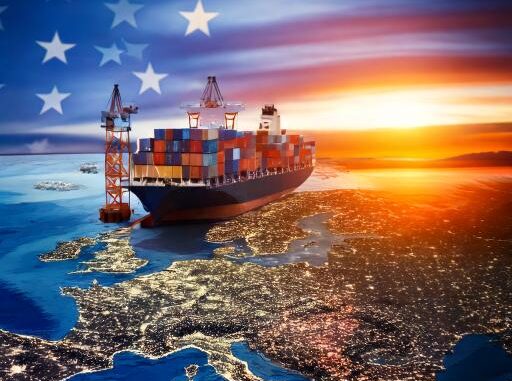
In an era of explosive data center demand, record U.S. shale output, and the long shadow of energy transition rhetoric, one constant refuses to yield the spotlight: the Strait of Hormuz. As of today, geopolitical tensions centered on this narrow chokepoint continue to exert outsized influence on global oil prices, supply chains, and industry investment decisions.
Recent moves— including renewed U.S. actions on Iranian vessels and associated shipping requirements—have propelled crude above $80 per barrel, delivering one of the sharpest short-term rallies in years.
Why Hormuz Still Matters
The Strait of Hormuz is not just another shipping lane. It is the world’s most critical energy artery, through which roughly 20-30% of global seaborne crude oil and significant volumes of liquefied natural gas pass daily. A serious disruption here doesn’t merely tighten supply—it triggers immediate repricing of risk across the entire petroleum value chain.
Recent flare-ups between the U.S. and Iran have reminded traders why complacency is dangerous. Blockades, attacks on commercial traffic, and heightened insurance costs don’t just delay tankers; they reshape trading patterns, inventory strategies, and capital allocation overnight. Even the prospect of partial restrictions has been enough to erase earlier bearish sentiment built on ample U.S. production forecasts and moderating global demand outlooks.
Impacts Across the Industry
- Producers & Upstream: Higher spot prices provide welcome margin relief for U.S. shale operators already navigating the EIA’s latest production growth projections. International players with exposure to the Persian Gulf face greater uncertainty, while American energy independence once again proves its strategic value.
- Midstream & Trading: Volatility rewards those with flexible logistics and storage capacity. tanker rates spike, alternative routes (however costly) gain attention, and risk management products become essential rather than optional.
- Downstream & Consumers: Refiners may see improved cracks in the near term, but prolonged disruption risks feed through to gasoline, diesel, and petrochemical prices—exactly what policymakers and households least want amid broader power cost pressures from AI infrastructure.
- LNG & Gas Markets: While oil grabs headlines, Hormuz’s role in LNG trade adds another layer. Europe and Asia, already competing for molecules, watch these developments closely as they diversify sources and accelerate domestic production where possible.
Broader Lessons for Energy Professionals
The persistence of Hormuz risk underscores a fundamental truth: geopolitics often trumps economics in the short-to-medium term. U.S. production at or near record levels (~13.7–13.8 million bpd forecasts) provides a buffer that didn’t exist a decade ago, but it does not eliminate global vulnerability.
Investors and operators should treat this not as a temporary headline but as a structural feature of the market. Companies with diversified assets, strong balance sheets, and hedging discipline are best positioned. Policymakers, meanwhile, are reminded that energy security remains inseparable from foreign policy.
As data centers drive unprecedented domestic power (and natural gas) demand, the irony is clear: America is producing more energy than ever, yet global chokepoints like Hormuz can still swing the pricing pendulum dramatically.
The industry has proven resilient through past Hormuz crises. The question today is whether participants have truly internalized the lesson—or whether today’s rally will once again fade into complacency until the next spark.
The Crude Life Content Network
Primary Website
Follow on YouTube
Follow on Facebook
- The Crude Life Facebook Page
- Eagle Ford Texas Facebook Page
- Bakken.com Facebook Page
- Haynesville Facebook Page
- Marcellus Facebook Page
- Niobrarachalk Facebook Page
- PermianShale Facebook Page
Follow on LinkedIn
- The Crude Life LinkedIn
- The Founder of The Crude Life – Jason Spiess LinkedIn
The Crude Life has been a trusted brand pioneering energy content for 15 years — from the very first podcast in 2011 to today’s full-spectrum content company producing podcasts, video interviews, print features, radio news, social media campaigns, Substack editorials, live events and more.
Trusted Interviews. Industry Experts.


