
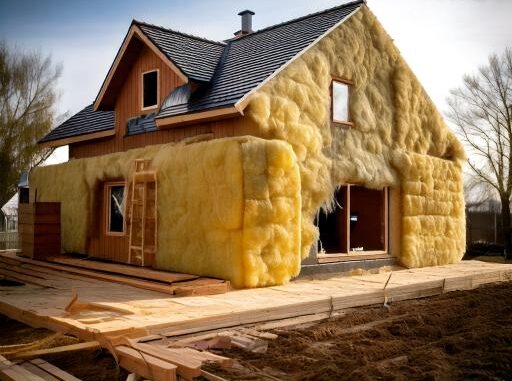
As the winter chill sets in, many families across the United States take steps to weatherize their homes. Weatherization, which involves making improvements to reduce energy consumption and maintain a consistent indoor temperature, is crucial for comfort and cost savings. While often associated with insulation and sealing leaks, the process has a much deeper connection with the oil and gas industry.
This industry not only provides the raw materials and energy necessary for heating homes but also supports the development of technologies and products that make weatherization more effective and accessible.
The Foundation of Energy Supply: The Role of Oil and Gas
The oil and gas industry is integral to the winter weatherization process. Natural gas, heating oil, and propane are some of the primary energy sources used to heat homes during colder months. According to the U.S. Energy Information Administration (EIA), about 50% of U.S. households use natural gas for heating, while 4% rely on heating oil, especially in the northeastern states. Without a stable supply of these fuels, many families would struggle to maintain a warm and comfortable living environment during winter.
Beyond providing heat, the oil and gas sector indirectly supports weatherization through products like insulation and sealants, which often contain petroleum-based components. For example, spray foam insulation, one of the most effective solutions for sealing gaps and leaks, is made from polyurethane, a material derived from petrochemical processes. Thus, the oil and gas industry plays a dual role: it fuels the heat sources and supplies the materials needed for efficient weatherization.

The Process of Weatherizing a Home
Weatherizing a home involves a series of steps designed to enhance energy efficiency. Here are some common examples:
- Insulation: One of the most effective ways to prevent heat loss is by insulating attics, walls, and floors. Fiberglass insulation, a popular choice, often includes binding agents derived from petroleum products. The oil and gas industry supplies the chemicals that create the foam boards, spray foam, and other insulation materials. Insulation helps maintain a stable indoor temperature, reducing the need for continuous heating and thus lowering energy bills.
- Sealing Gaps and Cracks: Air leaks are a major source of heat loss in homes. Caulking and weatherstripping are simple yet powerful tools for sealing gaps around windows, doors, and other openings. These products typically contain silicone, a material made using oil-based chemicals. By sealing these gaps, homeowners can prevent drafts and improve the efficiency of their heating systems.
- Upgrading Windows: Installing energy-efficient windows can significantly reduce heat loss. Double-pane or triple-pane windows often include an insulating gas, such as argon, between the glass layers. The manufacturing process for these windows relies heavily on energy from natural gas and other fossil fuels, highlighting another way the oil and gas industry underpins the weatherization process.
- Improving HVAC Systems: Heating, ventilation, and air conditioning (HVAC) systems are critical in maintaining a comfortable indoor environment during winter. Many modern HVAC systems, including furnaces and boilers, use natural gas as their primary fuel source. The oil and gas industry plays a key role in developing high-efficiency systems that reduce energy consumption and improve indoor air quality.

Companies Leading the Charge in Weatherization
Several companies have emerged as leaders in the weatherization industry, offering products and services that help families prepare their homes for winter. Many of these companies collaborate with the oil and gas sector to source materials or use energy in production, demonstrating the industry’s wide-reaching influence.
1. Owens Corning
Owens Corning is a global leader in insulation products, offering fiberglass and foam insulation solutions. Their fiberglass insulation is made with a blend of recycled glass and oil-derived binding agents, making it an effective barrier against heat loss. Owens Corning has been a pioneer in promoting energy efficiency in homes, emphasizing the importance of proper insulation in reducing heating costs.
2. Dow Building Solutions
Dow, a company with deep roots in the petrochemical industry, offers a variety of weatherization products, including spray foam insulation and sealants. Their Great Stuff™ line of spray foam sealants is widely used by homeowners to fill gaps and cracks, preventing drafts. These products are made using chemicals derived from the oil refining process, showcasing the connection between the weatherization market and the oil and gas industry.
3. Honeywell
Honeywell, known for its advanced thermostats and HVAC systems, integrates natural gas-powered heating solutions in its product lineup. Their smart thermostats are designed to optimize energy use, allowing families to control their heating systems more efficiently. By leveraging natural gas and smart technology, Honeywell helps families save on energy costs and reduce their environmental footprint.
4. Johns Manville
A subsidiary of Berkshire Hathaway, Johns Manville offers a wide range of insulation products, including fiberglass, spray foam, and mineral wool. Their products are designed to improve the energy efficiency of residential and commercial buildings. The company uses materials sourced from petrochemical processes, further linking the oil and gas industry to the weatherization sector.

Government Programs Supporting Weatherization
The U.S. government, through various programs, also promotes home weatherization as a means of reducing energy consumption and increasing comfort. The Weatherization Assistance Program (WAP), established in 1976, provides low-income households with free weatherization services. The funding for this program often comes from energy-related revenues, including taxes and fees collected from oil and gas production. This highlights the industry’s indirect contribution to improving energy efficiency for vulnerable populations.
The WAP helps families with various weatherization upgrades, such as installing insulation, sealing air leaks, and repairing or replacing heating systems. By reducing the energy demand of low-income households, the program not only improves their quality of life but also helps decrease the overall consumption of fossil fuels.
The Future of Weatherization: Innovations Driven by the Oil and Gas Industry
As the demand for energy efficiency continues to rise, the oil and gas industry is responding with innovations that enhance weatherization. For instance, advancements in chemical engineering are leading to more effective insulation materials. New formulations of spray foam insulation are being developed to provide better thermal resistance with thinner layers, reducing the amount of material needed while maintaining high efficiency.
Moreover, companies in the oil and gas sector are investing in research to create more environmentally friendly products. Low-VOC (volatile organic compounds) sealants and adhesives are becoming increasingly common, reducing the environmental impact of weatherization while maintaining performance.

The Impact on Quality of Life
The benefits of weatherizing a home go beyond just lower energy bills. By making homes more energy-efficient, families can experience:
- Improved Comfort: Weatherization reduces drafts and cold spots, creating a more consistent indoor temperature. This leads to a more comfortable living environment during the harsh winter months.
- Reduced Health Risks: Proper insulation and air sealing can help prevent the growth of mold and mildew, which thrive in cold, damp environments. By reducing moisture buildup, weatherization can improve indoor air quality and reduce health risks associated with respiratory issues.
- Increased Home Value: Energy-efficient homes are in high demand, and weatherizing a property can increase its resale value. Buyers are often willing to pay a premium for homes that have lower energy costs and better comfort.
- Environmental Benefits: By reducing the amount of energy needed to heat a home, weatherization helps lower greenhouse gas emissions. The oil and gas industry is increasingly focused on sustainability, and promoting weatherization aligns with efforts to reduce the carbon footprint of residential energy use.
Conclusion
The oil and gas industry plays a pivotal role in creating a world where families can effectively weatherize their homes for winter. From providing the raw materials for insulation and sealants to supplying the energy needed for heating, the industry’s contributions are extensive and vital.
As innovations continue to emerge, driven by both market demand and a focus on sustainability, the quality of weatherization products will only improve. This, in turn, will lead to more comfortable, healthier, and energy-efficient homes, showcasing the lasting impact of the oil and gas industry on family life during the winter season.

Article by Jason Spiess. Spiess has over 40 years of media experience from being the host to the publisher to an editor to the executive producer to having principal ownership in several media companies.
Spiess is currently the host of several newsmagazine radio podcasts that carry a 20-plus radio network, as well as worldwide through iHeart, Spotify and other podcast platforms. Spiess also operates a diverse professional social media audience with his media brands of over a combined 400K followers.
In addition to his newsmagazine radio podcasts, Spiess is a regular contributor to many industry publications, radio shows and traditional news websites.
Spiess is a full-time father, cancer survivor, environmental steward, author and graduate of North Dakota State University. Spiess also operates an off-the-grid office integrating sustainable solutions, including the best practices with an Industrial Forest and Digital Diversity.
CLICK HERE FOR SPECIAL DISCOUNT LINK

New mission. New Lioness. From the executive producer of Yellowstone and the writer of Sicario, the new season of the heart-pounding spy thriller Lioness brings the CIA’s fight closer to home.
In order to protect the safety of the country, the team enlists a new Lioness operative to infiltrate a previously unknown threat. While the battle rages on the field, they also confront their personal sacrifices and the impact of their family lives.
Don’t miss the critically-acclaimed original series, starring Zoe Saldaña, Nicole Kidman, Morgan Freeman and Michael Kelly. The new season of Lioness is now streaming exclusively on Paramount+. Try it FREE!
CLICK HERE FOR SPECIAL DISCOUNT LINK
Half the price, all the fun. Get 50% OFF any Paramount+ annual plan for a limited time! Take advantage of the fall offer and start streaming…

Take advantage of this limited time offer and stream the NFL on CBS live on Paramount+. Redeem now!
Everyday your story is being told by someone. Who is telling your story? Who are you telling your story to?
Email your sustainable story ideas, professional press releases or petro-powered podcast submissions to thecontentcreationstudios(AT)gmail(DOT)com.
#thecrudelife promotes a culture of inclusion and respect through interviews, content creation, live events and partnerships that educate, enrich, and empower people to create a positive social environment for all, regardless of age, race, religion, sexual orientation, or physical or intellectual ability.
MORE FROM THE CRUDE LIFE
- Please click that ♡ button, share, and subscribe.
- Please share the links on social media.
- Thank you thank you thank you for your engagement and support.
If you have a news tip, press release, guest suggestion or other content concepts, please email thecontentcreationstudios(AT)gmail(DOT)com
This post was brought to you in part by one of The Crude Life’s fantastic sponsors, please consider supporting their services or learning more about their organization by clicking on the banner below.

Shepherd VR
Transform your safety training with Shepherd VR – The Future is Here! Dive into a new era of learning with our groundbreaking VR modules, designed to enhance retention and reduce workplace accidents.
Leveraging over a decade of industry expertise in mining and oil, Shepherd VR combines neuroscience and psychology with our innovative FIT methodology to revolutionize safety training. Experience the difference, elevate your training program, and see astounding results.
Ready to make safety training more effective and engaging? Visit www.shepherd.fit and join the discussion on LinkedIn for the latest updates!

