
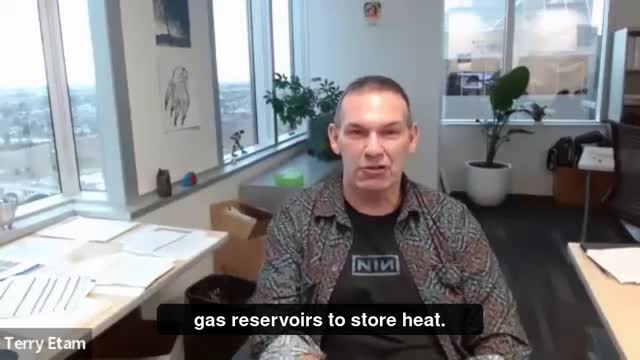
When Jason Spiess signs onto the Zoom line for another episode of Spiess On Earth, the conversation isn’t about sticking to one fuel or another—it’s about cutting through the noise. His guest, Canadian energy columnist Terry Etam, is no stranger to that noise. Author of The End of Fossil Fuel Insanity and longtime contributor to the BOE Report, Etam built his career straddling the worlds of policy, operations, and public communication.
The result is a podcast episode that feels less like a debate and more like an intervention for an energy conversation that’s lost its nuance.
The Host: Jason Spiess
Spiess, a veteran energy journalist, is known for taking an “all forms of energy” approach—covering oil, gas, renewables, nuclear, and the politics in between. His interviews are guided by curiosity, delivered with dry humor, and backed by a career of reporting from rigs, refineries, and boardrooms. He knows when to challenge a point and when to let it breathe.
The Guest: Terry Etam
Etam’s credentials come from inside the Canadian oil patch. Before penning his columns for the BOE Report, he was working in the trenches of energy production and infrastructure. His book’s provocative title was designed to stop readers in their tracks—“The End of Fossil Fuel Insanity” could easily be mistaken for an activist manifesto, but it’s really a call for sanity in the middle of a polarized battle.
Three Main Takeaways
1. The Shrinking Middle
Etam points out that the real tragedy in the energy debate is the vanishing “movable middle.” His target audience isn’t the entrenched environmental activists or the die-hard industry loyalists—it’s the people still willing to hear evidence and weigh trade-offs. In an era dominated by hashtags and outrage cycles, reaching them is harder than ever.
Context: For energy policy to work, it must appeal to more than just the choir. Bridging that gap may be the most urgent task of all.
2. Perceptions Stuck in the Past
While oil and gas have made measurable strides in emissions control, efficiency, and safety, public perception often lags by decades. Etam traces this disconnect to activist messaging amplified by media coverage, but also to the industry’s historic reluctance to tell its own story.
Context: Both sides have homework to do—activists in acknowledging progress, and industry in communicating it without spin.
3. Energy Security Over Politics
Etam reminds listeners that even with renewables surging, hydrocarbons remain the backbone of modern economies. Removing them prematurely risks everything from higher living costs to national security breaches.
Context: Energy transition must be paced with reality in mind, or it risks becoming an energy crisis instead.
Other Notable Points
-
Etam’s early blog, Public Energy Number One, served as a training ground for his plainspoken, fact-forward writing style.
-
Canada’s energy debate mirrors America’s in polarization and whiplash policy changes.
-
The book’s 2019 release during the height of “Greta-era” climate activism amplified both its reach and controversy.
-
Etam criticizes not just the opposition but also the oil and gas sector’s own communication missteps.
Closing Thoughts
From an all-forms-of-energy reporting standpoint, this episode stands out because it doesn’t waste time defending tribal positions. Spiess plays the role of informed facilitator, steering the discussion toward tangible realities instead of ideological battlegrounds. Etam delivers a reminder that common sense hasn’t left the building—it’s just harder to hear over the shouting.
For anyone serious about understanding the full spectrum of energy issues—from environmental responsibility to economic stability—this conversation is worth your time.


